 en
enJapan Car Rental

Japan Car Rental Guide
While vast metropolises like Tokyo and Osaka feature some of the world's most advanced railway and subway networks, renting a car in Japan offers an exceptional way to explore the country's true character. Driving allows you to venture off the beaten path to hidden mountain villages, lakes surrounding Mount Fuji, the wilderness of Hokkaido, or the tropical coastlines of Okinawa. Setting your own pace makes accessing traditional hot spring (Onsen) towns and mountain temples comfortable and flexible.
With Yolcu360, you can compare leading global and trusted Japanese car rental brands in one place. Reserve the ideal vehicle for your budget in seconds for pick-up at major gateways, including Tokyo (Haneda/Narita), Osaka (Kansai), or Sapporo (New Chitose) airports.
Leading Car Rental Companies in Japan
As the home of the global automotive industry, Japan offers car rental services known for exceptional customer care (Omotenashi) and reliable fleets:
Toyota Rent a Car, Nissan Rent a Car & Nippon Rent-A-Car: The primary market leaders featuring the largest vehicle networks across Japan, with service branches available even in remote regions.
Times Car Rental & Orix: Highly popular among international travelers for budget-friendly "Kei Car" options (compact Japanese vehicles) and efficient vehicle handovers.
Europcar, Hertz & Budget: International operators serving major international airports and central railway stations (including Shinkansen hubs) for travelers preferring global brand standards.
Standard Car Rental Requirements (2026)
Rental conditions vary depending on the selected vehicle tier, with standard industry requirements outlined below:
Requirement | Economy & Kei Car | Mid & Premium Segment | Luxury, SUV & Minivan |
Minimum Age | 18+ Years | 18–21+ Years | 21–25+ Years |
License Experience | 1+ Years | 1–2+ Years | 2–3+ Years |
Required Documents | National License + IDP* + Passport | National License + IDP* + Passport | National License + IDP* + Passport |
Credit Card (Deposit) | 1 (Main Driver) | 1 (Main Driver) | 1 or 2 (Main Driver) |
*CRITICAL IDP REQUIREMENT: To drive legally in Japan, international visitors must present an International Driving Permit (IDP) issued strictly under the 1949 Geneva Convention framework alongside their valid national driver's license. (Note: Drivers holding licenses from specific countries like Switzerland, France, Germany, Taiwan, Belgium, or Monaco require an official Japanese translation instead of an IDP). Vehicle handovers will be refused at the rental desk if the correct document, valid national license, and passport are not presented together.
Selecting the Ideal Vehicle for Japan
Japan's geography and street layouts play a direct role in vehicle selection:
City Centers & Narrow Streets: Yellow-plated "Kei Cars" (compact economy vehicles with smaller engine displacements) are the most practical and economical choice for navigating narrow city streets and fitting into tight parking spaces.
Mount Fuji Region & Mid-Distance Touring: Compact or sedan models provide a smooth, comfortable drive along intercity expressways and scenic routes around the Mount Fuji Five Lakes region.
Hokkaido & Winter Routes: If traveling to snowy regions such as Hokkaido or the Japanese Alps (e.g., Shirakawa-go) during winter, renting a 4x4 SUV equipped with studless winter tires is essential.
Family & Group Travel: High-capacity 7-to-8-passenger minivans with sliding automatic doors offer ample space and comfort for family trips across Japan.
Rental Options for Every Need on Yolcu360
Airport & Shinkansen Station Delivery: Collect your vehicle immediately upon arrival at major airports or pick it up directly from service desks at key high-speed bullet train (Shinkansen) stations.
Winter Equipment Package: Rental vehicles reserved in northern regions like Hokkaido or Tohoku generally include winter tires during winter months. If picking up a car in Tokyo or Osaka to drive into snowy mountain zones, ensure you add the "snow tires" option to your booking.
Securing Budget-Friendly Car Rental Rates in Japan
Car rental rates in Japan peak during the Cherry Blossom season (Sakura in April) and the Autumn Foliage season (Momiji in November). Demand is particularly high during Japan's national "Golden Week" holiday (late April to early May), when fleet inventory books out quickly. If traveling during these periods in 2026, reserving months in advance on Yolcu360 is recommended. Additionally, choosing a "Kei Car" reduces rental costs, fuel consumption, and expressway toll rates.
Popular Pick-Up Locations Across Japan
Tokyo Narita (NRT) & Haneda (HND) Airports: Primary departure hubs for travelers taking road trips to nearby destinations like Hakone, Mount Fuji, or Nikko.
Kansai International Airport (KIX) & Osaka: The main handover location for visitors exploring the Kansai region, including Kyoto, Nara, and Kobe.
New Chitose Airport (CTS, Sapporo): A major car rental hub serving Hokkaido, where driving is often preferred over regional rail networks.
Naha Airport (OKA, Okinawa): The primary arrival point for exploring the tropical beaches and coastal resorts across the Okinawa archipelago.
Essential Driving Guidelines & Rental Tips
Left-Hand Traffic: Vehicles drive on the left side of the road in Japan, with the steering wheel positioned on the right. Traffic regulations are strictly enforced, and local drivers are patient and courteous toward pedestrians.
Expressway Tolls & ETC Cards: Japanese expressways are operated by private companies, and toll fees can be high. Renting an ETC Card (Electronic Toll Collection) with your vehicle allows you to pass through automated toll gates (purple lanes) without stopping, access discounted toll rates, and settle the total balance upon vehicle return. Tourist toll passes (such as the Japan Expressway Pass) are also available for select regions.
Street Parking Restrictions: On-street parking is prohibited across Japan. Vehicles must be parked in paid coin-operated parking lots (Coin Parking) or designated parking garages. Illegal parking fines are strictly enforced.
Speed Limits: Expressway speed limits generally range from 80 to 100 km/h, while urban limits range from 30 to 40 km/h. Speed monitoring is active, and adhering to posted limits is expected.
Popular Locations
Compare travel deals across more than 30,000 locations.
 Istanbul Car Rental
 Antalya Car Rental
 Izmir Car Rental
 Mugla Car Rental
 Cyprus Car Rental
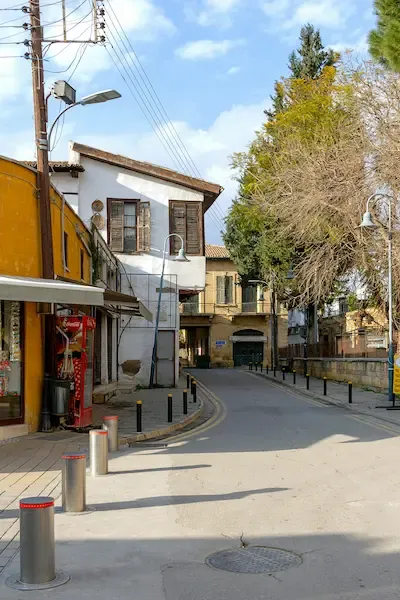 Nicosia Car Rental
 Larnaca Car Rental
- Cyprus Flight Tickets
- Nicosia Flight Tickets
- Larnaca Flight Tickets
 Istanbul Flight Tickets
- Antalya Flight Tickets
- Mugla Flight Tickets
- Izmir Flight Tickets
 Istanbul Airport
 Sabiha Gökçen Airport
 Ercan Airport
 Antalya Airport