 en
enJapan Travel Guide

About Japan
| Area | 377,974 km² |
| Capital | Tokyo |
| Currency | Japanese Yen (¥) |
| Continent | Asia |
| Elevation | 438 m |
| Time Zone | UTC+09:00 (JST) |
| Population | 123,103,479 (2025) |
| Country Code | +81 |
| Official Language | Japanese |
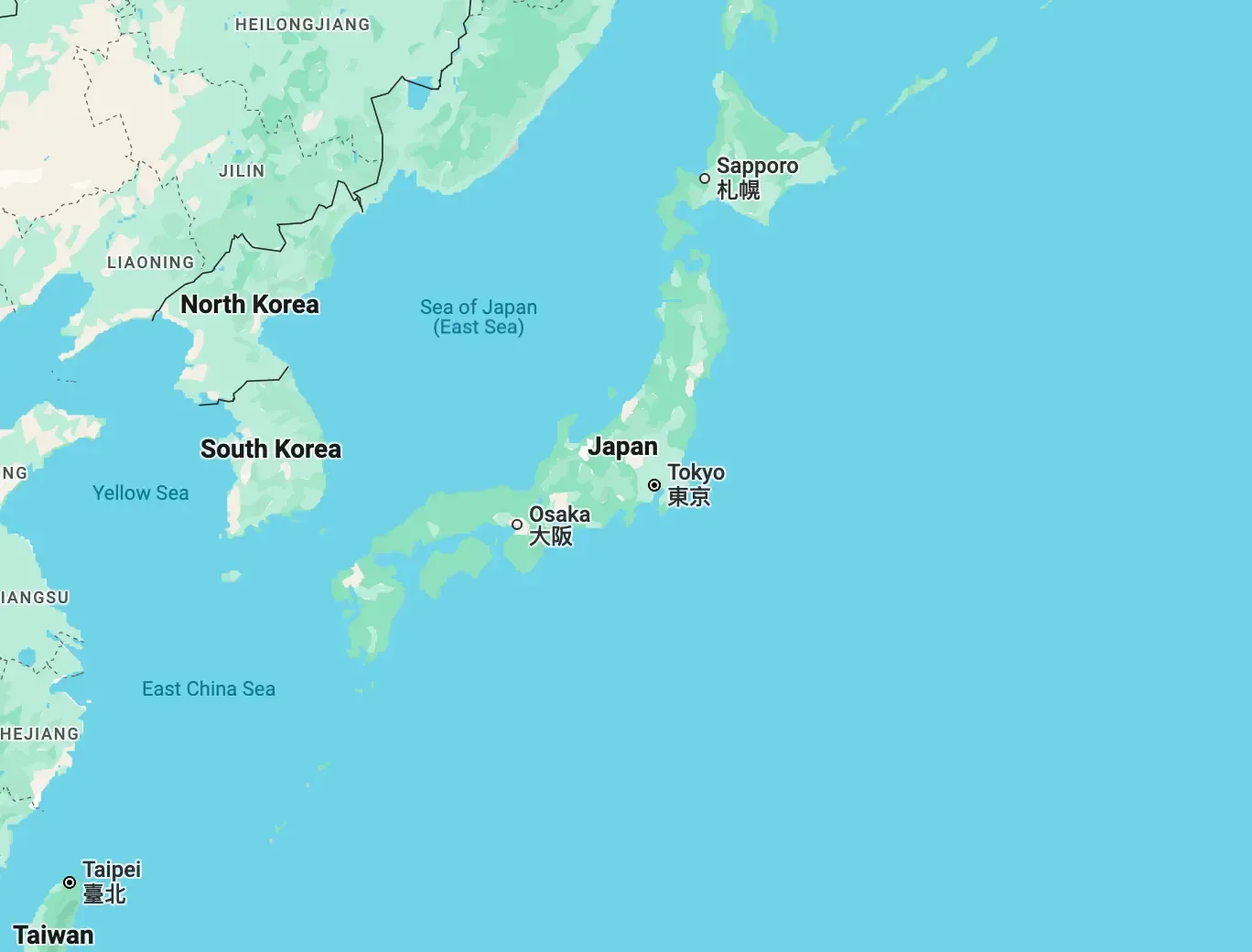
Japan Map
How to Get to Japan

Japan—the Land of the Rising Sun—is an extraordinary destination that seamlessly weaves together millennia-old temples, peaceful Zen gardens, samurai traditions, and neon-lit futuristic metropolises. Reaching this Far Eastern archipelago is convenient, supported by advanced and punctual aviation and transport networks.
Travel by Air
Flying is the most practical way to reach Japan, centered around modern international airports known for efficiency and organization:
Tokyo Haneda Airport (HND) & Tokyo Narita Airport (NRT): The main international gateways serving the Greater Tokyo Area and the country as a whole, handling direct and connecting flights from major hubs worldwide.
Kansai International Airport (KIX, Osaka): The primary arrival hub for Western Japan, offering direct access to the culinary capital of Osaka and the historic city of Kyoto.
Seamless Logistics: You can compare and secure your flight tickets to Japan on Yolcu360 within seconds. Pre-booking a rental vehicle for airport pickup allows you to bypass train lines and craft a luxury, flexible itinerary immediately upon arrival.
Travel by Rail and Intercity Transit
As an island nation, Japan has no land borders, but its internal transit infrastructure is legendary. High-speed Shinkansen (bullet trains), reaching speeds up to 300 km/h, connect Tokyo to Kyoto or Osaka with second-level punctuality. Acquiring a JR Pass (Japan Rail Pass) prior to travel is a popular option for international visitors planning extensive nationwide rail journeys.
Car Rental
While comprehensive subway systems are ideal inside megacities like Tokyo or Osaka, renting a car is the best way to elevate your trip when exploring Japan’s hidden mountain villages, the scenic lakes surrounding Mount Fuji, Hokkaido's vast landscapes, or Okinawa's tropical coastlines:
Comparison & Booking: Yolcu360 allows you to compare top global and regional rental brands to select optimal vehicle rates at Tokyo, Osaka, or Sapporo airports.
Vehicle Choices: Opt for a compact car to navigate scenic drives around Mount Fuji, a capable 4x4 SUV for Hokkaido’s winter roads, or a high-capacity minivan for comfortable family travel.
Local Cuisine & Dining in Japan

Japanese cuisine (Washoku) is an intangible UNESCO Cultural Heritage treasure centered on seasonality, fresh ingredients, and artistic presentation. Boasting some of the highest concentrations of Michelin-starred restaurants globally, Japan also features a vibrant street food culture.
Regional Highlights
Sushi & Sashimi: The iconic combination of seasoned vinegared rice paired with fresh raw seafood. Try it at its freshest in famous wholesale markets like Toyosu or Tsukiji.
Ramen: A rich noodle soup featuring wheat noodles served in a savory broth (flavored with soy sauce, miso, or pork/seafood stock) topped with sliced meat, seaweed, and soft-boiled eggs, with distinct regional styles across Japan.
Takoyaki & Okonomiyaki: Osaka’s famous street food staples. Takoyaki consists of crispy savory batter balls filled with octopus, while Okonomiyaki is a savory Japanese cabbage pancake customizable with various toppings.
Wagyu & Kobe Beef: Globally renowned for its delicate marbled fat and melt-in-your-mouth texture, often prepared tableside at specialized teppanyaki steak restaurants.
Sweets & Pastries
Mochi: A traditional sweet prepared from pounded glutinous rice dough, commonly stuffed with sweetened red bean paste (anko) or gourmet ice cream.
Matcha (Green Tea) Specialties: Essential to traditional Japanese tea ceremonies, stone-ground matcha is featured across desserts ranging from soft-serve ice cream and parfaits to cakes and iced lattes.
Best Time to Visit Japan

Japan experiences four distinct seasons, each offering unique natural spectacles and cultural celebrations:
March – May (Spring Cherry Blossom Season): The most iconic and popular period to visit as cherry blossoms (Sakura) bloom nationwide. Temperatures are mild. (Note: Travel during Golden Week in late April brings high domestic demand; advance bookings for hotels and transit are essential).
September – November (Autumn Foliage Season): Equally popular, this period marks the arrival of vibrant autumn leaves (Momiji). Historic temple grounds and mountain ranges are framed by brilliant red and orange foliage with comfortable temperatures around 15–20°C (59–68°F).
June – August (Summer): Characterized by warm temperatures exceeding 30°C (86°F) and higher humidity. Early summer (June) brings the rainy season (Tsuyu), while mid-to-late summer comes alive with traditional street festivals (Matsuri), fireworks displays, and outdoor summer events where locals wear lightweight yukata.
December – February (Winter): Brings heavy snowfall to mountainous regions and northern Hokkaido. It is the premier season for skiing on world-class powder snow and relaxing in outdoor geothermal hot springs (Onsen).
Overview of Japan's Key Destinations

Japan consists of four main islands—Honshu, Hokkaido, Kyushu, and Shikoku—alongside tropical island chains like Okinawa, each presenting distinct regional cultures.
Region / City | Primary Highlights & Characteristics | Primary Airport(s) |
Tokyo (Capital Region) | Skyscraper skylines, Shibuya Crossing, pop culture hubs (Akihabara), Meiji Shrine. | Haneda (HND), Narita (NRT) |
Kyoto | Traditional cultural heart, historic gion district, Kinkaku-ji (Golden Pavilion), Arashiyama Bamboo Grove. | Kansai (KIX) |
Osaka | Culinary capital, lively Dotonbori nightlife, street food culture, historic Osaka Castle. | Kansai (KIX), Itami (ITM) |
Hokkaido (Sapporo) | Northern wilderness, pristine national parks, lavender fields, Sapporo Snow Festival, powder ski resorts. | New Chitose (CTS) |
Okinawa | Southern tropical archipelago, white-sand beaches, clear turquoise waters, distinct Ryukyu heritage. | Naha (OKA) |
Characteristic Regional Experiences
Modern Energy in Tokyo: Experience the world’s busiest pedestrian crossing at Shibuya and explore multi-story electronics and pop-culture hubs.
Heritage & Zen in Kyoto: Attend a traditional Matcha tea ceremony in a historic wooden tea house and stroll through temple gardens.
Relaxation at Mount Fuji & Hakone: Stay at a traditional Japanese inn (Ryokan) framed by views of Mount Fuji and unwind in natural hot spring baths (Onsen).
📌 Driving & Licensing Requirements: In Japan, vehicles drive on the left side of the road with right-hand drive steering. To rent and operate a vehicle in Japan, international visitors are legally required to present a valid International Driving Permit (IDP) issued under the 1949 Geneva Convention framework alongside their national driver's license. Rental companies cannot release vehicles without this specific document, so ensure your IDP conforms to the 1949 Convention prior to departure.