 en
enDubai Travel Guide
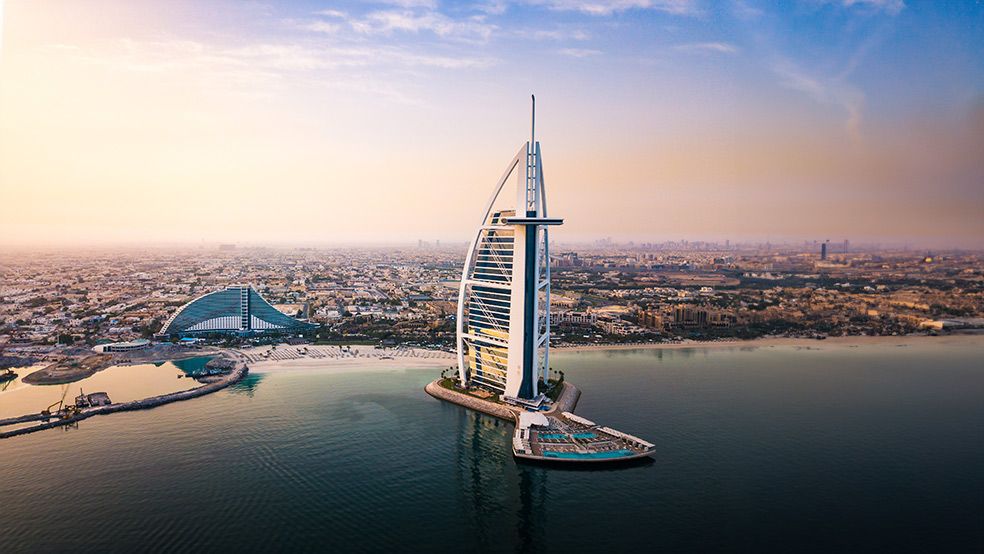
About Dubai
| Area | 4,114 km² |
| Climate | Hot desert climate |
| Currency | UAE Dirham (AED) |
| Area Code | 4 |
| Elevation | 16 m |
| Time Zone | GMT+04:00 |
| Population | 3,759,864 (2024) |
| Country Code | +971 |
| License Plate Code | D |
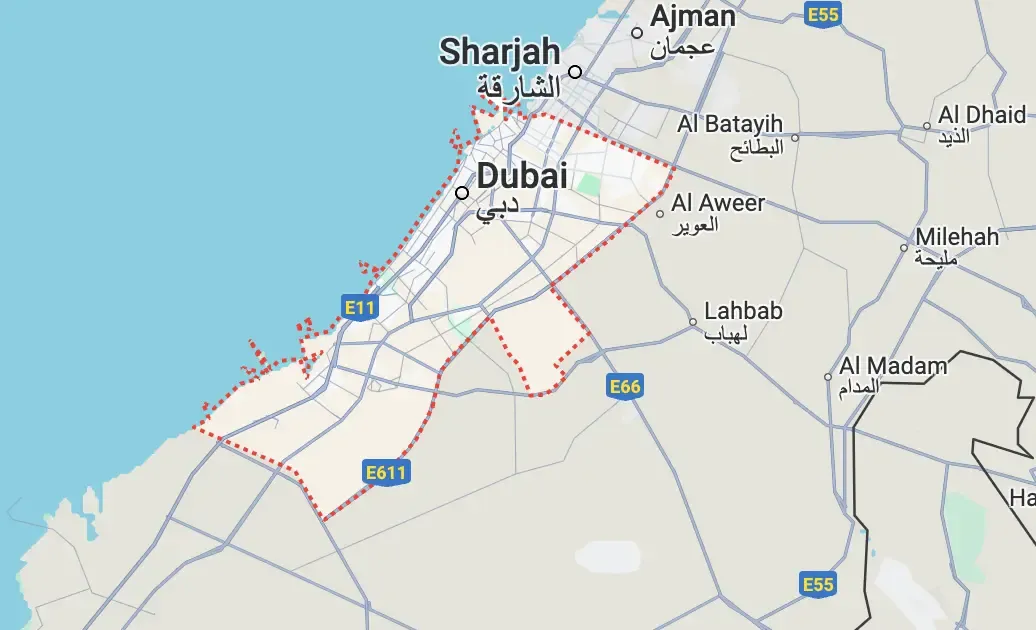
Dubai Map
How to Get to Dubai
Dubai, the most famous and cosmopolitan emirate of the United Arab Emirates (UAE), stands out for its luxury lifestyle, futuristic architecture, and expansive shopping malls. As a global transit hub, the city is easily accessible by air and via well-connected highways from neighboring emirates.
Travel by Air
Flying is the fastest and most convenient way to reach Dubai. The city welcomes international visitors through Dubai International Airport (DXB)—one of the busiest passenger hubs in the world—and Dubai Al Maktoum International Airport (DWC).
Non-stop direct flights operate daily to Dubai from major aviation hubs across Europe, Asia, and the Middle East.
Pre-booking a vehicle via Yolcu360 allows travelers to pick up their rental car at airport arrival halls and start their itinerary immediately.
Driving a rental vehicle offers flexible access to destinations like Palm Jumeirah, Dubai Marina, and desert safari routes.
Dubai International Airport (DXB) is located approximately 15 km from Downtown Dubai (Burj Khalifa district).
Ground transportation options connecting the airport to the city center include the driverless Dubai Metro, metered taxis (Dubai Taxi), and private transfers.
Travel by Road
Traveling to Dubai by road from other emirates or neighboring countries is straightforward, given the multi-lane highway system:
Abu Dhabi to Dubai: ~140 km (~1.5 hours) via the E11 highway (Sheikh Zayed Road).
Sharjah to Dubai: ~40 km (~45 minutes, depending on traffic conditions).
Ras Al Khaimah to Dubai: ~115 km (~1 hour 15 minutes).
Fujairah to Dubai: ~120 km (~1.5 hours) via scenic mountain highway routes.
Driving into the city along multi-lane thoroughfares like Sheikh Zayed Road offers iconic views of Dubai's skyline and skyscrapers.
Rail Systems & Urban Transit
Rather than long-distance intercity trains, Dubai operates an integrated municipal rail network:
Dubai Metro: A fully automated driverless metro system spanning the city via the Red Line and Green Line, connecting directly to airport terminals.
Palm Monorail: A scenic line running along the trunk of Palm Jumeirah out to Atlantis The Palm.
Dubai Tram: Connects Dubai Marina and JBR (Jumeirah Beach Residence), interfacing with metro stations along the route.
Car Rental
Due to high summer temperatures and vast urban distances, renting a car is a practical transportation choice in Dubai. Rental counters operate across major airports and downtown hotels. Yolcu360 lets travelers compare rates for luxury SUVs or economy vehicles, providing full freedom to explore destinations like Jebel Jais or the Louvre Abu Dhabi in neighboring emirates.
Transit Tip: Dubai experiences peak tourist traffic during the winter months and the New Year holiday period. Highways use an automated toll collection system called SALIK; rental vehicles come equipped with a windshield chip to record toll crossings without stopping at barriers. Pre-booking a vehicle secures preferred rates and ensures availability across premium vehicle segments.
Dining & Local Cuisine in Dubai
Signature Culinary Specialties
Machboos (Makbus): A traditional Emirati spiced rice dish prepared with basmati rice, dried lime (loomi), regional spices, and slow-cooked lamb, chicken, or seafood.
Shawarma: A ubiquitous street food staple made of thinly sliced marinated meat or chicken wrapped in flatbread with garlic sauce, pickles, and fries.
Luqaimat: Crispy fried dough balls drizzled with date syrup (dibs) and sprinkled with sesame seeds.
Harees: A traditional dish made of wheat and meat slow-cooked until smooth, commonly served during festive occasions and Ramadan.
Karak Chai: A fragrant tea boiled with milk, black tea leaves, and cardamom.
Falafel & Hummus: Popular Levantine appetizers and snacks served widely across dining venues.
Breakfast Culture
Balaleet: A traditional sweet-and-savory dish featuring spiced vermicelli noodles topped with an omelet.
Foul Medames: Warm, spiced fava bean dip cooked with olive oil, served with hot Arabic flatbread.
Weekend Brunch Culture: Dubai is renowned for lavish weekend buffet brunches hosted at luxury hotels, particularly on Saturdays and Sundays.
Main Courses & Specialties
Local Meats & Seafood: Dishes rely heavily on spiced rice, lamb, and fresh seafood.
Hamour: A regional Gulf grouper, popular grilled or oven-baked with local spices.
Global Fine Dining: Beside traditional cuisine, Dubai hosts a wide density of international restaurants helmed by Michelin-starred chefs.
Sweets & Street Food Snacks
Samosas: Crispy savory pastries with spiced fillings, widely available across older quarters.
Dates: Available plain, chocolate-covered, or stuffed with nuts.
Camel Milk Chocolates & Ice Cream: Distinctive regional treats available across gourmet boutiques.
Popular Dining Districts
Downtown Dubai: Houses fine-dining venues and international restaurants overlooking the Burj Khalifa and Dubai Fountain.
Dubai Marina & JBR: Waterfront cafes, international restaurants, and evening dining spots along the promenade.
Deira & Bur Dubai (Old Dubai): Positioned along Dubai Creek, offering authentic street food including Indian, Pakistani, and Lebanese dining options.
Jumeirah: Features beachfront cafes, gourmet burger spots, and boutique breakfast venues along the coast.
Best Time to Visit Dubai
Dubai experiences an arid desert climate, making seasonal timing an important planning factor:
Peak Tourism Season (November – March): The winter season brings pleasant temperatures averaging 20–25°C (68–77°F). It is the ideal period for outdoor activities, desert safaris, visits to Kite Beach, and open-air attractions like Miracle Garden.
Major Festivals: Traveling in late December and January coincides with the Dubai Shopping Festival (DSF), featuring retail discounts, fireworks, and live performances. The multi-cultural Global Village complex also operates seasonally from autumn to spring.
Low Season (June – August): Summer temperatures often reach 40–50°C (104–122°F), shifting daily activities indoors. This period brings reduced accommodation and car rental rates, allowing visitors to utilize climate-controlled shopping centers, indoor theme parks, and venues like Ski Dubai.
Pre-booking an air-conditioned vehicle on Yolcu360 allows for comfortable city transit throughout the year.
Key Districts of Dubai
Dubai comprises distinct districts offering diverse experiences, from historic trading quarters to ultra-modern developments:
District | Primary Features & Highlights |
Downtown Dubai | Urban center featuring the Burj Khalifa, Dubai Mall, and Dubai Fountain. |
Dubai Marina & JBR | High-rise canal district with waterfront promenades, luxury yachts, and nightlife options. |
Palm Jumeirah | Palm-shaped artificial island featuring luxury resorts like Atlantis The Palm and beach clubs. |
Deira & Bur Dubai (Old Dubai) | Historic trading district featuring the Gold Souk, Spice Souk, and traditional abra boat transfers across Dubai Creek. |
Jumeirah | Coastal neighborhood home to low-rise villas, public beaches, boutique cafes, and the iconic Burj Al Arab. |
Al Barsha | Residential and commercial district home to the Mall of the Emirates and the Ski Dubai indoor slope. |
Al Fahidi Historical Neighborhood (Bastakiya) | Heritage area featuring traditional wind-tower architecture, courtyard stone houses, and art galleries. |