 en
enMalta Travel Guide

About Malta
| Area | 316 km² |
| Capital | Valletta |
| Currency | Euro (€) |
| Continent | Europe |
| Elevation | 127 m |
| Time Zone | UTC+01:00 (Winter), UTC+02:00 (Summer) |
| Population | 544,221 (2025) |
| Country Code | +356 |
| Official Languages | Maltese, English |
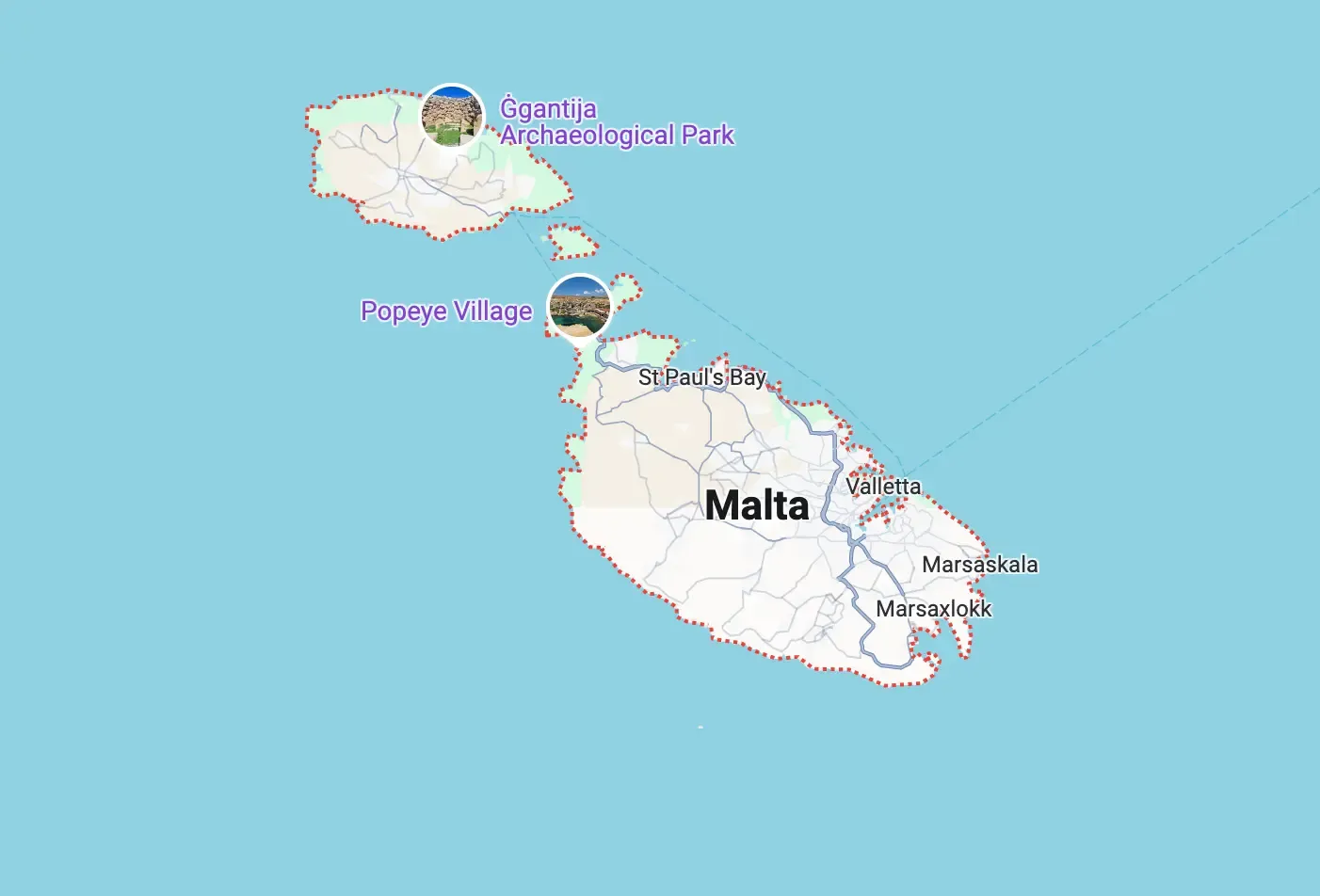
Malta Map
How to Get to Malta

Located in the heart of the Mediterranean Sea, Malta is one of Europe's most captivating island nations, renowned for the heritage of the Knights of St. John, golden limestone architecture, and crystal-clear waters. Despite its compact geographical area, the country offers a rich travel experience that is easily accessible via modern European transit links.
Travel by Air
Flying is the primary and most practical way to reach Malta, served by the island's single international gateway:
Malta International Airport (MLA): Located in Luqa, this hub handles frequent direct non-stop and short-layover connecting flights daily from major European capital cities and global transit hubs.
Seamless Logistics: You can compare and reserve your flight tickets to Malta on Yolcu360 in seconds. Arranging a rental car for airport pickup allows you to bypass public transit schedules and start your island itinerary right upon landing.
Travel by Sea
While Malta has no overland connections due to its island geography, traveling by sea is a popular alternative:
Ferries from Sicily: High-speed passenger and vehicle ferries operate regularly between Pozzallo (Sicilya, Italy) and Malta's capital port in Valletta, completing the maritime crossing in roughly 2 hours.
Car Rental
Renting a car is the most practical way to explore Malta’s secluded coastal coves (such as St. Peter's Pool), historic villages, and the neighboring island of Gozo:
Comparison & Booking: Yolcu360 lets you compare global and regional rental brands to secure competitive rates at Luqa Airport.
Vehicle Choices: Opting for a compact hatchback is highly recommended to easily navigate and park along the island's narrow historical streets.
Local Cuisine & Dining in Malta

Maltese cuisine brings together Italian, Sicilian, North African, and British influences under the Mediterranean sun, featuring fresh seafood, aromatic herbs, and traditional baked pastries.
Regional Highlights
Stuffat tal-Fenek: Malta’s legendary national dish. A rich rabbit stew slow-cooked for hours with red wine, garlic, tomatoes, and fresh herbs.
Pastizzi: The quintessential Maltese street food staple. Flaky, puff-pastry pockets stuffed with either seasoned ricotta cheese or mashed savory green peas.
Lampuki (Dolphin Fish / Mahi-Mahi): A popular local white fish harvested primarily during autumn. It is commonly served grilled with a garlic-caper sauce or baked into a savory fish pie (Lampuki Pie).
Ftira & Kinnie: Ftira is a traditional ring-shaped sourdough flatbread topped with tuna, capers, olives, and tomato paste—an ideal lunch option. It pairs naturally with Kinnie, Malta's famous bittersweet carbonated soft drink brewed from bitter oranges and aromatic herbs.
Best Time to Visit Malta

Malta enjoys a warm Mediterranean climate with over 300 days of sunshine annually:
Summer (June – August): The peak season for coastal vacations and water sports, with daytime temperatures ranging between 30–35°C (86–95°F). While conditions at spots like Comino's Blue Lagoon are ideal, expect larger seasonal crowds and peak accommodation pricing.
Spring & Autumn (April – May / September – October): The optimal period to visit Malta. Mild temperatures averaging 20–25°C (68–77°F) allow for sightseeing across historical landmarks without intense summer heat, complemented by warm sea temperatures in early autumn.
Winter (November – March): Features mild daytime temperatures hovering around 15°C (59°F) with occasional rainfall. While beach tourism slows down, this shoulder season offers budget-friendly rates for cultural touring, historical exploration, and language courses.
Overview of Malta's Key Destinations

The Republic of Malta comprises three inhabited primary islands: Malta (the main island), Gozo, and Comino.
Region / City | Primary Highlights & Characteristics | Key Access Point(s) |
Valletta (Capital) | UNESCO World Heritage Site, Baroque architecture, St. John's Co-Cathedral, Upper Barrakka Gardens. | Malta Airport (MLA) |
Mdina ("The Silent City") | Historic former capital, fortified Medieval wall city, pedestrianized cobblestone alleys, classic architecture. | Central Malta (via Road) |
Sliema & St. Julian's | Main commercial and nightlife hub, luxury seaside hotels, Paceville entertainment district, coastal dining. | East Coast (via Road) |
Gozo Island | Rural and tranquil atmosphere, Ggantija Megalithic Temples, red sands of Ramla Bay. | 25-min Ferry from Cirkewwa |
Comino Island | Sparsely populated island enclave, world-famous turquoise Blue Lagoon, day-trip snorkeling destination. | Boat Excursions only |
Regional Experiences
Heritage in Valletta: Walk through the open-air museum atmosphere of Valletta, visiting Baroque cathedrals and grand harbor viewpoints.
Atmosphere in Mdina: Stroll through the quiet, vehicle-free stone corridors of the ancient fortified capital.
Countryside Drive on Gozo: Take your rental car on the short car-ferry from Cirkewwa to explore Gozo’s scenic cliffs and ancient megalithic temples.
Swimming in Comino: Take a day-boat tour to swim in the crystal-clear turquoise waters of the Blue Lagoon.
📌 Important Travel & Driving Notes: Due to its history as a British colony, Malta operates on left-hand traffic with right-hand drive vehicles. Exercise caution when adapting to roundabouts and lane layouts. Additionally, electrical outlets in Malta use the three-pronged British Standard (Type G) plug format, so carrying a travel adapter is recommended.