 en
enEgypt Travel Guide

About Egypt
| Area | 1,010,408 km² |
| Capital | Cairo |
| Currency | Egyptian Pound (EGP) |
| Continent | Africa |
| Elevation | 321 m (average) |
| Time Zone | UTC+02:00 |
| Population | 118,365,995 (2025) |
| Country Code | +20 |
| Official Language | Arabic |
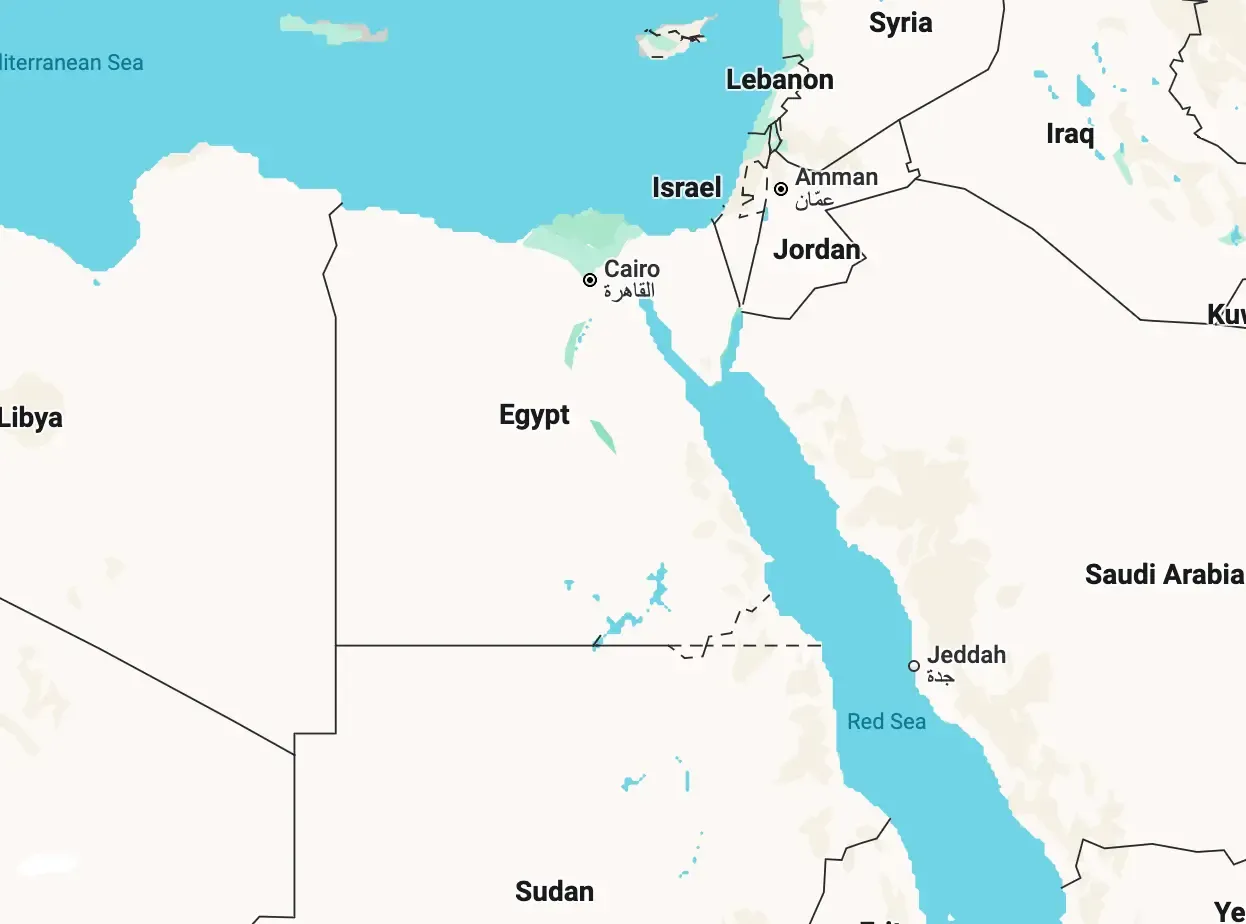
Egypt Map
How to Get to Egypt

Located at the crossroads of Northeast Africa and the Middle East, Egypt—the land of the Pharaohs—is a world-renowned destination. Stretching from the fertile banks of the Nile River to the coral reefs of the Red Sea, the country caters to both history enthusiasts and resort vacationers. Arriving in Egypt is straightforward thanks to its network of modern international airports.
Travel by Air
Flying is the most efficient way to reach Egypt, supported by key international gateways serving distinct travel itineraries:
Cairo International Airport (CAI): The primary hub for visitors heading to the capital, the Grand Egyptian Museum, and the Giza Pyramids, receiving high-frequency direct flights globally.
Sharm El Sheikh (SSH) & Hurghada (HRG) Airports: Major coastal gateways serving travelers bound for luxury Red Sea resorts, scuba diving hubs, and beach destinations.
Seamless Logistics: You can compare and reserve flight tickets to Egypt on Yolcu360 in seconds. Booking a rental car for airport pickup allows you to bypass taxi negotiations and begin your journey comfortably upon arrival.
Travel by Road and Rail
Egypt is accessible overland from neighboring entry points via designated border crossings (such as Taba). Within the country, multi-day luxury cruise vessels operating along the Nile River between Luxor and Aswan serve as a popular and classic mode of travel between upper Egypt's archaeological sites.
Car Rental
Renting a car is a practical option for exploring coastal resort corridors, private beaches, and sightseeing spots across areas like Sharm El Sheikh, Hurghada, or Alexandria:
Comparison & Booking: Yolcu360 allows you to compare global car rental brands to secure competitive rates at major Egyptian airports.
Vehicle Choices: Opt for a spacious, air-conditioned SUV for comfortable family driving along Red Sea coastal highways. (Note: Driving in central metropolitan Cairo requires extra caution due to heavy, high-density traffic).
Local Cuisine & Dining in Egypt

Egyptian cuisine blends North African, Middle Eastern, and Mediterranean culinary traditions, emphasizing legumes, aromatic spices, fresh herbs, and traditional flatbreads.
Regional Highlights
Koshari (Koshery): Egypt's iconic national dish. A hearty street food blend of rice, brown lentils, macaroni, and chickpeas, topped with crispy fried onions and a spiced garlic-tomato sauce.
Ful Medames: A staple Egyptian breakfast dish made of slow-cooked fava beans mashed with olive oil, lemon juice, garlic, and cumin, served alongside warm Aish Baladi (Egyptian pita bread).
Ta'meya (Egyptian Falafel): Made with crushed green fava beans rather than chickpeas, resulting in a crispy exterior and bright green, herbaceous interior.
Molokhia: A traditional savory dish prepared from finely minced jute leaves simmered in a rich garlic-coriander chicken or meat broth, served over rice or with bread.
Sweets & Beverages
Om Ali (Umm Ali): A traditional warm dessert made of baked puff pastry layered with milk, cream, raisins, almonds, pistachios, and coconut flakes.
Karkadeh (Hibiscus Tea): An infusion brewed from dried hibiscus flowers, served hot in winter or ice-cold as a refreshing drink during hot summer months.
Best Time to Visit Egypt

Egypt features a predominantly desert climate characterized by hot, dry weather throughout most of the year. Planning your trip around regional temperatures is essential, particularly when visiting open-air archaeological monuments:
November – March (Peak Winter Season): The most popular period to visit Egypt, with daytime temperatures averaging 20–25°C (68–77°F). Weather conditions are ideal for exploring the Giza Pyramids, visiting temples in Luxor, and cruising the Nile River.
April – May (Spring): Temperatures begin to rise, and occasional warm desert winds (Khamsin) can occur. However, water temperatures along the Red Sea reach optimal levels for diving and snorkeling.
June – September (Summer): Characterized by high heat, with temperatures in Cairo and Upper Egypt often reaching 40–45°C (104–113°F). While less suitable for outdoor sightseeing, this period brings lower hotel rates and competitive resort packages in Red Sea destinations like Sharm El Sheikh and Hurghada.
October (Autumn): A pleasant shoulder month as summer heat subsides and peak winter crowds have yet to arrive, offering favorable conditions for both cultural tours and beach stays.
Overview of Egypt's Key Destinations

Egypt offers three distinct travel experiences: historic monuments, bustling urban centers, and Red Sea coastal resorts.
Region / City | Primary Highlights & Characteristics | Primary Airport(s) |
Cairo & Giza | Giza Pyramids, Great Sphinx, Egyptian Museum, Khan el-Khalili bazaar, Islamic Cairo architecture. | Cairo International (CAI) |
Sharm El Sheikh | Southern Sinai Peninsula, world-class dive sites, Ras Mohammad National Park, luxury resorts. | Sharm El Sheikh (SSH) |
Hurghada | Red Sea mainland coast, beach resorts, water sports, desert quad safaris, family entertainment. | Hurghada International (HRG) |
Luxor & Aswan | Upper Egypt archaeological corridor, Valley of the Kings, Karnak Temple, Philae, Abu Simbel. | Luxor (LXR), Aswan (ASW) |
Alexandria | Mediterranean coastal city featuring Greco-Roman heritage, Bibliotheca Alexandrina, Citadel of Qaitbay. | Borg El Arab (HBE) |
Characteristic Regional Experiences
Archaeological Marvels in Giza: Walk near the Great Pyramid of Giza—the oldest of the Seven Wonders of the Ancient World—and view the Great Sphinx.
Red Sea Marine Life: Take boat excursions from Sharm El Sheikh or Hurghada to snorkel or dive among coral reefs and marine preserves.
Nile River Sailing: Sail on a traditional wooden Felucca sailboat in Aswan as the sun sets over the Nile River.
📌 Important Travel & Driving Notes: Driving in major urban centers like Cairo and Alexandria involves high traffic density and informal lane usage; full insurance coverage is strongly recommended when renting a vehicle. Additionally, bargaining (haggling) is a standard cultural practice in traditional markets (souks) and for unmetered services; polite negotiation is expected.