 en
enIstanbul Guide

Information About Istanbul
| Area | 5,343 km² |
| Climate | Temperate Marmara |
| Currency | Turkish Lira (TRY) |
| Area Code | 212 (European), 216 (Asian) |
| Elevation | 39 m |
| Time Zone | GMT+03:00 |
| Plate Code | 34 |
| Population | 15,701,602 (2024) |
| Country Code | +90 |
Istanbul Map
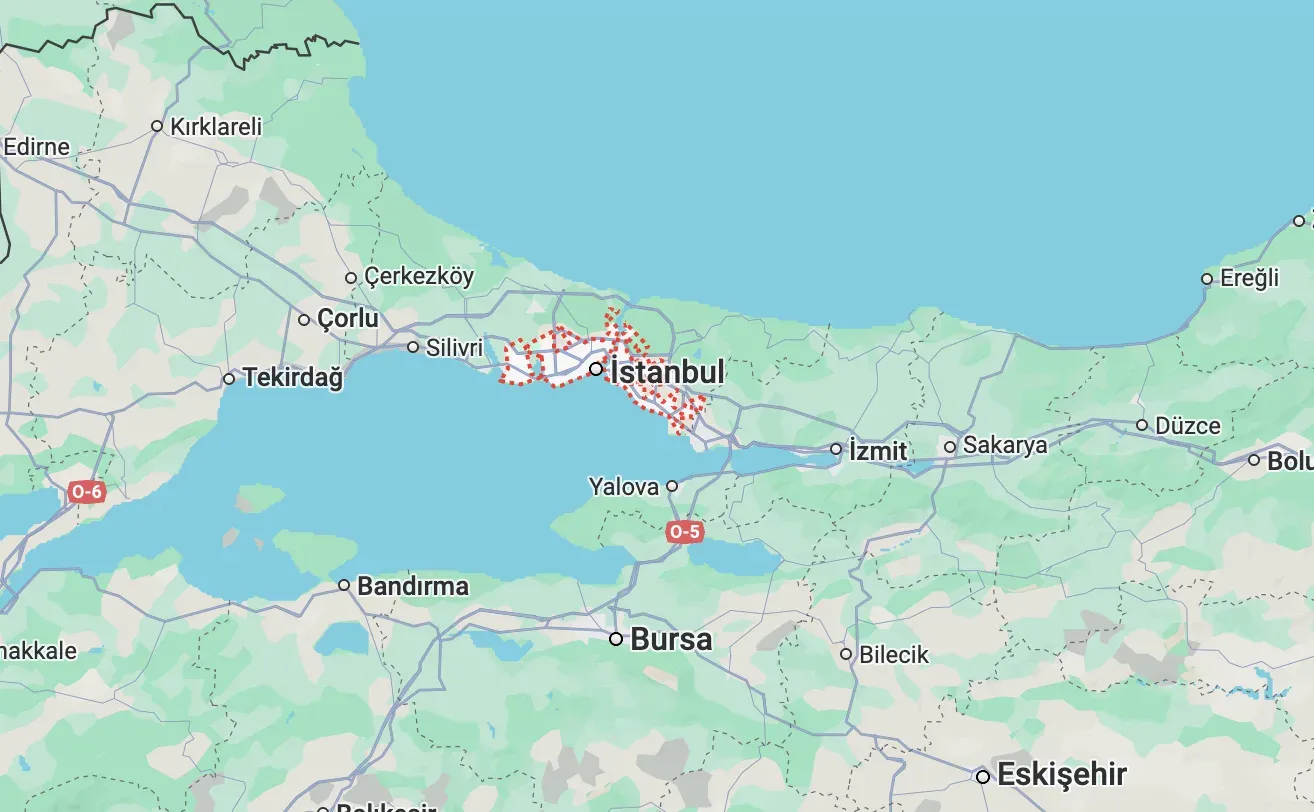
How to Get to Istanbul?

Istanbul, with its unique location bridging the continents of Asia and Europe, is one of the most accessible cities in Türkiye. Whether you prefer traveling by air, land, sea, or rail, you can easily reach this magnificent metropolis from almost anywhere in the world.
Reaching by Air
Istanbul is served by two major international airports: Istanbul Airport (IST) on the European Side and Sabiha Gökçen Airport (SAW) on the Asian Side.
Direct flights operate daily from major cities worldwide and across Türkiye.
To get to the city center from the airports, you can use HAVAİST/HAVABÜS shuttle buses, metro lines, taxis, or private VIP transfers.
You can book your flight to Istanbul Airport via Yolcu360 and rent a car early at the airport to freely explore the Bosphorus, the Historical Peninsula, or the Asian Side.
Similarly, you can use our platform to find flights to Sabiha Gökçen Airport and compare all available car rental companies to secure the best rates.
Reaching by Land
Regular intercity buses operate from all over Türkiye to Istanbul. Esenler, Harem, and Alibeyköy bus terminals are the main hubs for road transport.
Ankara to Istanbul: 450 km (approx. 5 hours by car).
Izmir to Istanbul: 480 km (approx. 6 hours by car).
Bursa to Istanbul: 150 km (approx. 2 hours by car).
If you are driving, the O-5 and TEM highways offer the fastest routes.
Reaching by Sea
You can reach Istanbul via ferries and sea buses from cities like Bursa, Yalova, and Bandırma. Yenikapı, Pendik, and Kabataş piers are the most frequently used docks. Sea travel offers a highly comfortable and scenic alternative, especially during the summer months.
Reaching by Rail
High-Speed Trains (YHT) provide a swift connection to Istanbul from Ankara, Eskişehir, and Konya. The trains arrive at Söğütlüçeşme, Bakırköy, and Halkalı stations. From these stations, you can easily transfer to other parts of the city using the local metro and Marmaray lines.
Car Rental
Given Istanbul's vast geography, renting a car makes your trip significantly more comfortable. You can pick up your vehicle from airport terminals or downtown offices. By booking early through Yolcu360, you can choose the ideal vehicle at affordable prices and explore every corner of the city - from Taksim to Kadıköy, and Beşiktaş to Sarıyer - entirely at your own pace.
📌 Travel Tip: Istanbul attracts heavy tourist traffic year-round. Booking your flights, bus tickets, and rental cars well in advance will protect your budget and ensure a smoother travel experience.
What to Eat in Istanbul?

Istanbul is a global gastronomy hub, blending the refined traces of Ottoman palace cuisine with a vibrant street food culture. Every neighborhood offers a unique culinary identity: traditional flavors in the Historical Peninsula, fresh seafood along the Bosphorus, and modern culinary interpretations in Kadıköy and Karaköy.
Featured Flavors
Balık Ekmek (Fish Sandwich): A classic street food served hot from traditional boats on the Eminönü shoreline.
Sultanahmet Köftesi (Meatballs): A historic Istanbul classic passed down through generations in the Historical Peninsula.
Kumpir (Baked Potato): A massive baked potato stuffed with a rich variety of toppings, best enjoyed in Ortaköy square.
Midye Dolma & Kokoreç: Stuffed mussels and grilled lamb intestines are the ultimate late-night street snacks in Beyoğlu and Kadıköy.
Istanbul Döner: A satisfying, universally loved fast-food alternative found in almost every neighborhood.
Seasonal Fish: The crown jewel of the traditional rakı-meze tables at seafood restaurants in Arnavutköy, Sarıyer, and Yeniköy.
Breakfast Culture
A proper Istanbul breakfast is meant to be savored against the backdrop of the Bosphorus. Beşiktaş, Emirgan, and Bebek are top choices. A classic spread includes menemen (scrambled eggs with tomatoes and peppers), simit and cheese, bal kaymak (honey and clotted cream), fried eggs with sucuk (spicy sausage), and freshly brewed Turkish tea. On the Asian Side, the famous Çengelköy simit paired with gözleme (stuffed flatbread) steals the show.
Desserts and Street Treats
Profiterole: The most popular sweet break in Beyoğlu.
Fırın Sütlaç (Baked Rice Pudding): A light, milky dessert favored after meals in Beşiktaş and Üsküdar.
Baklava and Kadayıf: A must-try at historic dessert shops like Karaköy Güllüoğlu.
Turkish Ice Cream: Essential for warm summer evenings on the Moda and Caddebostan coastlines.
Croissants & Artisan Sweets: Highly popular in the new-generation bakeries of Karaköy and Galata.
Popular Dining Districts
Kadıköy Market: Bustling all day with lahmacun, rice with chickpeas, stuffed mussels, and vibrant pubs.
Beşiktaş & Nişantaşı: Ideal for rich breakfasts, cafe culture, and international cuisine.
Sarıyer & Arnavutköy: Famous for seaside enjoyment, traditional pastries (börek), and premium seafood.
Karaköy & Galata: A gastronomic hotspot where historic dessert shops meet modern fine dining.
Üsküdar & Çengelköy: Nostalgic tea gardens by the Bosphorus, cozy breakfast spots, and traditional tradesmen restaurants (esnaf lokantası).
When to Visit Istanbul?

The ideal times to visit Istanbul are Spring (March to May) and Autumn (September to November). During these periods, temperatures range comfortably between 18 - 26°C, humidity drops, and the city becomes perfect for exploring on foot.
In April, the Tulip Festival in Emirgan Grove transforms the city into a colorful wonderland.
In Summer, temperatures often exceed 30°C. The Bosphorus shores, the Princes' Islands, and coastal neighborhoods like Bebek, Arnavutköy, and Caddebostan come alive with evening strolls. Despite the crowds, Bosphorus ferry tours, open-air cinemas, and concerts maximize the city's energy.
In Winter, the average temperature hovers around 5 - 10°C. Rainy days are perfect for exploring indoor marvels like the Hagia Sophia, Topkapi Palace, and the Istanbul Archaeological Museums. It’s also the best time to cozy up in a Galata or Karaköy cafe and feel the city's melancholic charm.
During the month of Ramadan, iftar (fast-breaking) tents in Sultanahmet Square turn the historical peninsula into a vibrant cultural hub. Around New Year's Eve, Istiklal Avenue and Nişantaşı are beautifully illuminated.
The Districts of Istanbul
Istanbul is Türkiye’s most populous and culturally diverse city, consisting of 39 districts spread across two continents. Each district has its own distinct identity.
Adalar (Princes' Islands): Offers a resort atmosphere within the city (Büyükada, Heybeliada, Burgazada).
Arnavutköy: Home to Istanbul Airport; appeals to nature lovers with its vast forests.
Ataşehir: The new face of the Asian side with its financial center, modern plazas, and lifestyle hubs.
Avcılar: A developed area known for its coastline, university campuses, and transport links.
Bağcılar: A major industrial and commercial hub with highly advantageous highway connections.
Bahçelievler: Known for its traditional, family-friendly neighborhood culture.
Bakırköy: Stands out with its coastal parks, large shopping malls, and central location.
Başakşehir: Notable for its planned urban spaces, modern housing, and sports facilities.
Bayrampaşa: A highly central district known for commerce and major transport links.
Beşiktaş: Famous for its Bosphorus views, Dolmabahçe Palace, and vibrant social life.
Beykoz: A natural escape on the Bosphorus featuring historic waterside mansions (yalı) and green forests.
Beylikdüzü: A new-generation living area with modern housing, wide parks, and a long coastline.
Beyoğlu: The cultural heart of the city, home to Istiklal Avenue, Galata Tower, and historic Pera.
Büyükçekmece: Ideal for weekend getaways with its lake, beaches, and summer resort vibe.
Çatalca: One of Istanbul's greenest districts, perfect for nature walks and camping.
Çekmeköy: Appeals to those seeking a quiet life with its forested structure and new residential projects.
Esenler: A major transportation hub, best known for the Grand Istanbul Bus Terminal.
Esenyurt: Stands out with its dense population, shopping malls, and affordable housing.
Eyüpsultan: Famous for the Eyüp Sultan Mosque, Pierre Loti Hill, and stunning Golden Horn views.
Fatih: The historical heart of Istanbul; home to Hagia Sophia, Sultanahmet, and the Grand Bazaar.
Gaziosmanpaşa: Preserves its cultural diversity through a traditional neighborhood fabric.
Güngören: Characterized by its small-scale industrial areas and residential neighborhoods.
Kadıköy: The beating heart of the Asian side with its Moda coastline, cafe culture, and art scene.
Kağıthane: A rapidly developing district with modern business centers.
Kartal: An eco-friendly living space with sea views and proximity to the Aydos Forest.
Küçükçekmece: Stands out for its lake views, easy transport, and new residential complexes.
Maltepe: A peaceful district on the Asian side with long coastal parks and green spaces.
Pendik: Known for its proximity to Sabiha Gökçen Airport and lovely seaside promenades.
Sancaktepe: A rapidly developing Asian side district with green areas and transport advantages.
Sarıyer: Highly popular for Emirgan Grove, Rumeli Fortress, and natural areas stretching to the Black Sea.
Silivri: The address for weekend escapes with its summer houses, beaches, and nature trails.
Sultanbeyli: Offers a quiet life in a natural environment close to the Aydos Forest.
Sultangazi: An important hub on the European side with a large population and transit networks.
Şile: Indispensable for summer tourism with its Black Sea beaches and nature camps.
Şişli: The center of modern city life with Nişantaşı, luxury shopping malls, and cultural events.
Tuzla: Active in both tourism and trade with its marina, coastline, and industrial zones.
Ümraniye: A major commercial and residential center on the Asian side.
Üsküdar: Carries a deeply nostalgic atmosphere with the Maiden's Tower, historic mosques, and Bosphorus views.
Zeytinburnu: Advantageous for transport, known for its coastline and ancient city walls.
Things to Know About Istanbul

Istanbul is one of the most unique cities in the world, renowned for its historical fabric, cultural diversity, and unmatched location connecting two continents. Having served as the capital of the Roman, Byzantine, and Ottoman empires, this ancient city allows you to experience the mystical aura of the East and the modern lifestyle of the West simultaneously.
While Sultanahmet, Hagia Sophia, Topkapi Palace, and the Grand Bazaar in the Historical Peninsula shed light on the city's glorious past, districts like Karaköy, Galata, and Beşiktaş reflect the dynamic face of modern Istanbul. The neighborhoods stretching along the Bosphorus—such as Ortaköy, Arnavutköy, and Bebek—are among the most popular spots for seaside walks and dining with spectacular views.
On the Asian Side, Kadıköy and Moda offer a youthful energy filled with street art, cozy cafes, and independent bookstores. Üsküdar, on the other hand, creates an entirely different atmosphere with its historic mosques, views of the Maiden’s Tower, and panoramic city vistas from Çamlıca Hill.
Istanbul is also a thriving center for arts and culture. Theaters in Beyoğlu, contemporary art galleries in Karaköy, and concert halls in Harbiye keep the city buzzing. From people fishing on the Galata Bridge at sunset to the scent of freshly baked simit in Eminönü and live music echoing through Taksim, Istanbul is in constant, vibrant motion.
In short, Istanbul is a city that tells a different story with every step. Starting your day with a ferry ride on the Bosphorus and ending it lost in the narrow streets of Galata is just one of the countless unforgettable experiences this magical city has to offer.